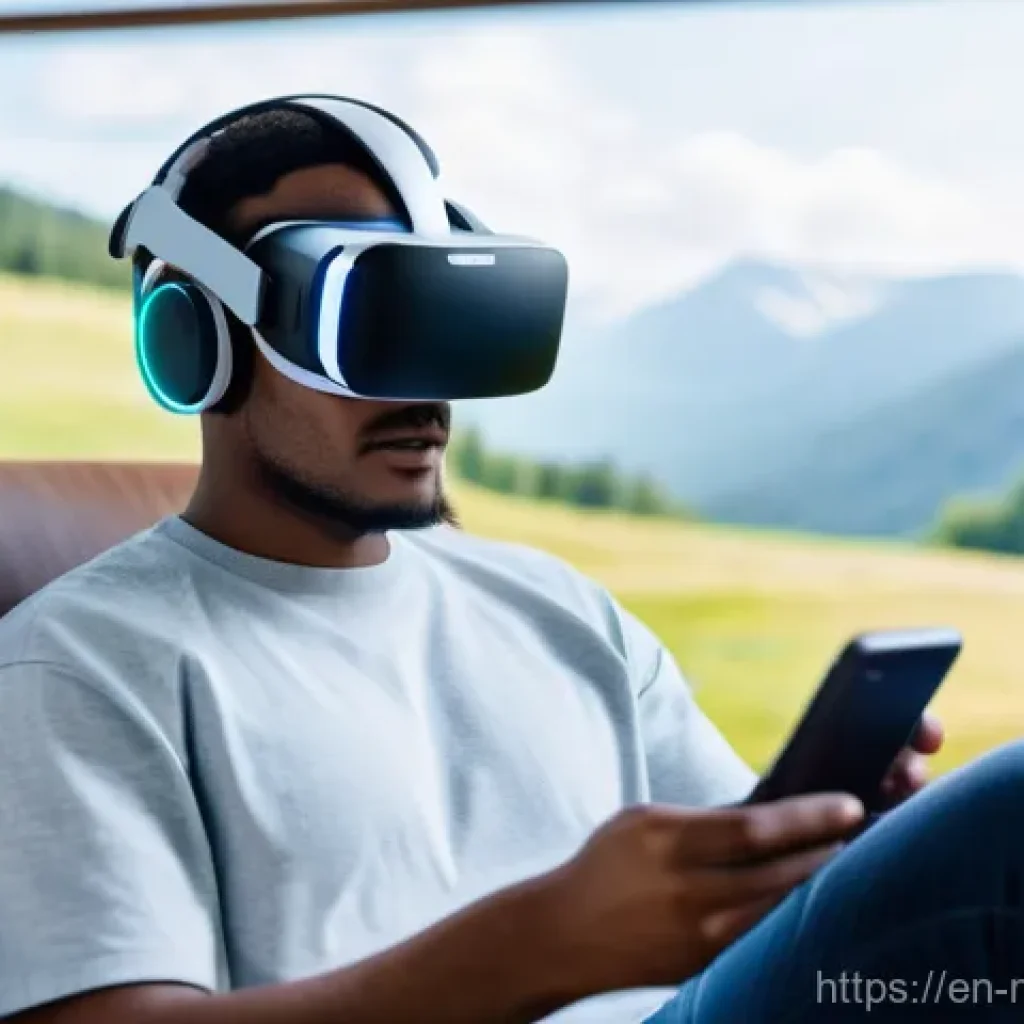
Hey everyone! It feels like just yesterday we were talking about simple mindfulness, but wow, has the mental health landscape truly evolved. I mean, who would have thought that our everyday smartphones and even immersive virtual reality headsets would become such powerful tools for our well-being?
The way we understand and approach emotional health is transforming right before our very eyes, moving beyond traditional therapy into incredibly exciting new frontiers that were once unimaginable.
From cutting-edge technological innovations like AI-powered therapists that learn your unique needs, to the profound insights of holistic care, and even groundbreaking discussions around the therapeutic potential of psychedelics in medicine, there’s so much happening.
It’s a truly pivotal moment where innovation is making vital support more accessible and incredibly personalized than ever, actively pushing past old stigmas and opening doors for millions.
So, are you ready to explore how these incredible shifts are redefining mental wellness for us all? Let’s dive in and unpack the most fascinating trends shaping our minds and futures today!
Alright, my friends, let’s keep this conversation going about the incredible shifts happening in mental wellness. It’s truly mind-blowing to see how far we’ve come, moving beyond outdated ideas and embracing approaches that actually fit into our busy, modern lives.
I mean, who ever thought we’d be talking about virtual reality for therapy? It’s not just sci-fi anymore, trust me!
The Digital Revolution in Our Minds: AI & Virtual Reality Therapies

You know, it feels like every other day there’s a new AI tool popping up, and honestly, our mental health journey is no exception. We’re seeing a massive wave of tech-driven solutions that are making mental health support more accessible and incredibly personalized. I’ve personally experimented with a few mindfulness apps that use AI to tailor meditations based on my mood, and let me tell you, it’s a game-changer for those days when you just can’t seem to quiet your mind. AI chatbots, for example, are becoming surprisingly sophisticated, offering 24/7 support and guidance. They can walk you through CBT techniques, help you track your mood patterns, and even give you coping strategies when you’re feeling overwhelmed, all from the comfort of your own home.
But it’s not just about chatbots. Virtual Reality (VR) therapy is truly pushing the boundaries of what’s possible. Imagine being able to confront a phobia, like a fear of heights, in a completely safe and controlled virtual environment. Therapists are using VR to create immersive experiences for everything from anxiety disorders and PTSD to social anxiety and even pain reduction. My friend, Sarah, used VR for her public speaking anxiety, and she told me it felt like she was actually there, practicing in front of a crowd, but without the real-world pressure. The ability to customize these virtual scenarios and repeat them as needed makes therapy so much more efficient and engaging. It’s a remarkable way to build coping skills and confidence without the risks often associated with real-life exposure.
AI-Powered Apps: Your Pocket-Sized Support System
I remember a time when getting mental health support meant scheduling appointments weeks in advance and dealing with all the logistics. Now, with AI-powered apps, it’s like having a supportive companion right in your pocket. These apps aren’t meant to replace human therapists—and that’s a crucial point, they really can’t offer the deep empathy and understanding a human can—but they absolutely complement traditional care by providing immediate relief and guidance. They’re fantastic for mild symptoms, offering self-help tools, daily check-ins, and even budget-friendly resources. I’ve found that the personalized recommendations, based on my own mood logs and activity levels, make a huge difference in staying consistent with my self-care routine. It’s truly empowering to have those tools accessible 24/7, especially during those late-night moments of stress or worry when you might not be able to reach a human professional.
Immersive Worlds: Virtual Reality’s Therapeutic Promise
Okay, so let’s talk about VR therapy a bit more because it’s genuinely fascinating. It’s one thing to talk about your fears; it’s another entirely to face them in a simulated environment where you feel completely safe. For conditions like PTSD, VR allows individuals to revisit traumatic events in a controlled setting, which helps in processing memories and emotions. For phobias, it’s a game-changer, giving you a chance to gradually encounter your triggers in a safe space under a therapist’s guidance, allowing for desensitization at your own pace. My own experience, watching a friend overcome her fear of flying through VR, was incredibly inspiring. She went from white-knuckling it on every flight to actually enjoying the view from the window! It’s all about creating a sense of presence, making you feel fully immersed and engaged, which can lead to significant breakthroughs that traditional therapy sometimes struggles to achieve as quickly. Plus, therapists have incredible control over these virtual environments, customizing them to be challenging yet manageable for each patient.
Beyond the Couch: Holistic & Integrative Paths to Well-being
You know, for a long time, mental health treatment often felt very segmented – you had therapy, maybe medication, and that was it. But what I’ve really noticed blooming lately is this beautiful, holistic approach, where we’re finally recognizing that our minds aren’t separate from our bodies or spirits. It’s like, duh, right? Everything is connected! This integrative model emphasizes treating the whole person, considering how physical, emotional, mental, and spiritual well-being all intertwine. It’s not about ditching conventional treatments, but rather combining them with complementary therapies to create a truly personalized plan. I’ve heard so many stories, and even personally seen the benefits, of people combining traditional talk therapy with things like acupuncture or yoga, finding a much deeper sense of healing and resilience. It’s all about finding what resonates with *you* and building a comprehensive toolkit for your mental wellness. This approach is gaining so much traction because it offers a wider array of options, empowering individuals to discover what truly works best for their unique needs.
Mind-Body Harmony: Integrating Diverse Therapies
When we talk about integrative mental health, we’re really diving into a rich tapestry of practices. It’s about more than just managing symptoms; it’s about promoting long-term healing. Think about it: our physical state profoundly impacts our mental state. When I’m stressed, my shoulders get tight, I can’t sleep, and my mind races. Holistic approaches address this directly. Things like mindfulness-based therapy, which focuses on present-moment awareness, can significantly reduce anxiety and depression symptoms. And then there’s movement therapy – yoga, dance, even just a mindful walk – which helps release tension and boost mood. I mean, who hasn’t felt better after a good stretch or a walk in nature? Nutrition also plays a massive role. Eating whole foods rich in nutrients can seriously impact mood regulation and cognitive function. It’s a complete shift in perspective, moving towards preventative care and recognizing that our lifestyle choices are powerful allies in our mental well-being.
Embracing Nature and Creativity: Unexpected Allies
Beyond the more commonly discussed therapies, I’m seeing some incredible innovation in integrating less traditional approaches. Art therapy, for instance, allows for self-expression and reconciliation of emotional conflicts without needing to articulate every feeling verbally. It’s amazing how powerful it can be to just *create* something, even if you think you have no artistic talent. The focus is always on expression, not aesthetics. Ecotherapy, or nature-based therapies, are also gaining ground. Spending time outdoors, connecting with nature, has such a profound calming effect on our nervous systems. I always tell my friends that if they’re feeling overwhelmed, just go for a walk in a park; it’s like an instant reset button. These creative and nature-based methods aren’t just feel-good activities; they’re genuinely therapeutic tools that contribute to a sense of wholeness and resilience, especially when combined with more conventional treatments.
Mind-Altering Medicine: The Promising Return of Psychedelics
Now, this is a topic that might raise a few eyebrows, but it’s one of the most exciting and rapidly evolving areas in mental health: the therapeutic potential of psychedelics. It’s a far cry from the counter-culture narratives of the past; today, we’re talking about rigorous clinical research and carefully controlled settings. Psychedelic-assisted therapy, using substances like MDMA and psilocybin, is showing incredible promise for conditions that have historically been tough to treat, such as PTSD, severe depression, and even end-of-life anxiety. I remember feeling skeptical at first, but after diving into the research and hearing from experts, it’s clear that these aren’t just “party drugs” – they’re powerful tools that, when used responsibly under strict medical supervision, can facilitate profound psychological breakthroughs. The U.S. Food and Drug Administration (FDA) has even given some of these compounds “breakthrough therapy” designation, signaling their serious potential. It’s a truly pivotal moment where science is helping us re-evaluate substances that have been used for centuries in indigenous cultures for their healing properties.
Clinical Trials and Breakthroughs
The amount of research pouring into psychedelic-assisted therapy right now is just astonishing. Clinical trials are demonstrating promising results, with some studies showing that MDMA-assisted therapy for PTSD can lead to significant improvements in symptoms, with some patients even achieving remission. We’re seeing similar exciting data for psilocybin in treating depression. What’s particularly striking is the *durability* of these effects; some patients report benefits lasting for months, or even longer, after just a few sessions. This isn’t a magic bullet, of course, and researchers are still figuring out the optimal doses and who might benefit most. It’s also important to note that the FDA recently requested another phase 3 trial for MDMA-assisted therapy for PTSD, showing the rigorous process involved in bringing these treatments to wider clinical use. But even with these hurdles, the progress is undeniable, and it gives so much hope to individuals who haven’t found relief through traditional treatments.
Safety, Ethics, and the Future
As with any powerful therapeutic tool, safety and ethical considerations are paramount. Researchers are working diligently to understand the mechanisms of action, identify potential adverse effects, and develop clear guidelines for the “set and setting” – meaning the patient’s mindset and the therapeutic environment – which are crucial for positive outcomes. These therapies are always conducted in highly controlled clinical settings with trained professionals who provide extensive support before, during, and after the psychedelic experience. It’s not something you can, or should, try on your own. There’s a strong call from organizations like the Royal College of Psychiatrists for more high-quality research and the creation of centralized patient databases to monitor the long-term effects. I genuinely believe that as more robust evidence emerges and regulations evolve, these powerful medicines will offer transformative healing options for millions who are struggling. It’s truly a new frontier, handled with the utmost care and scientific rigor.
Personalizing Your Path: Tailored Mental Wellness Plans
If there’s one thing I’ve learned on my own wellness journey, it’s that there’s no one-size-fits-all solution. What works wonders for me might not do a thing for you, and that’s perfectly okay! This understanding is driving another huge trend: personalized mental wellness. We’re moving away from generic treatment plans and towards approaches that truly consider each individual’s unique needs, preferences, and even their genetic makeup. It’s about recognizing that every person’s mental health landscape is different, shaped by their life experiences, biology, and environment. I mean, think about it—you wouldn’t expect a single diet plan to work for everyone, so why would we expect that for our complex mental health? This trend is all about empowering us to be active participants in our own care, giving us choices and tailoring interventions so they actually *fit* our lives, rather than trying to force ourselves into a pre-made box.
Data-Driven Customization for Better Outcomes
So, how does this personalization actually happen? A lot of it comes down to smart use of data and technology. Mental health platforms are now using algorithms to analyze everything from your daily mood logs and sleep patterns to your activity levels and stress indicators. This data allows them to provide incredibly customized insights and recommendations. For example, if an app notices you’re consistently feeling anxious on certain days or after particular activities, it can suggest specific coping mechanisms or mindfulness exercises that have been shown to help with those patterns. I know a lot of people who love these kinds of apps because they help them understand their triggers and build effective strategies without feeling overwhelmed. It’s also making things like employee assistance programs (EAPs) much smarter. Instead of just a list of services, workers are getting personalized care plans based on their risk level, needs, and preferences, recommending specific courses or coaching sessions. This kind of tailored support is a huge leap forward in making mental health care truly effective.
Beyond the Tech: Coaching and Lifestyle Integration
But personalization isn’t just about the latest tech; it’s also about integrating different forms of support into our daily lives. Wellness coaching, for instance, is booming. Having a coach who can help you set goals, develop coping strategies, and stay accountable in areas like stress management, nutrition, and sleep hygiene can make a massive difference. These lifestyle interventions are essential components of holistic mental health care. It’s about building a foundation for well-being that goes beyond just addressing symptoms. I’ve heard countless stories of people who, through personalized coaching and lifestyle adjustments, have found a level of mental clarity and resilience they never thought possible. They often combine this with therapy, creating a multi-pronged approach that really speaks to their individual journey. It’s about moving from reactive treatment to proactive wellness, empowering individuals to take control of their well-being.
Building Bridges: The Power of Community and Peer Support

You know, for all the amazing tech and cutting-edge treatments we’ve talked about, sometimes the most powerful medicine is simply knowing you’re not alone. That’s why I’m so incredibly passionate about the rise of community-based mental health initiatives and peer support. It truly feels like a return to our roots, recognizing that human connection and shared experience are fundamental to healing. For far too long, mental health struggles were often siloed, hidden away, and dealt with in isolation. But now, people are actively seeking and creating spaces where they can be vulnerable, understood, and supported by others who “get it.” It’s an incredibly validating experience to share your story with someone who has walked a similar path, and it can significantly reduce the stigma that still, unfortunately, surrounds mental illness. This shift towards collective healing is a beautiful thing to witness and participate in.
Peer-Led Initiatives: Empathy in Action
Peer support groups are at the heart of this movement. These groups are often led by individuals who have their own lived experience with mental health conditions, which creates an instant sense of relatability and trust. When someone says, “I understand,” and they truly *do* understand because they’ve been there, it makes all the difference. I’ve seen firsthand how these groups foster a sense of belonging and encourage people to seek help without fear of judgment. Beyond formal groups, there are also incredible informal networks forming – online communities, local meet-ups, even shared activity groups like running clubs or journaling circles that become unexpected havens for support. These community-driven initiatives are particularly effective in reaching populations that might feel excluded from traditional clinical settings, ensuring that support is accessible where people live, work, and socialize.
Innovative Outreach: Meeting People Where They Are
The beauty of community-based mental health is its adaptability. We’re seeing so many innovative approaches that truly meet people where they are, physically and culturally. Mobile mental health clinics, for example, are bringing care directly to underserved or rural areas, providing immediate access to evaluations, therapy, and crisis intervention. I mean, how incredible is that? Instead of expecting people to travel long distances, the support comes to them. Then there are programs like “The Confess Project,” which trains barbers in Black communities to become mental health advocates, creating safe spaces for conversations and reducing stigma in culturally relevant ways. It’s about breaking down barriers, not just logistical ones, but also the deep-seated cultural stigmas that can prevent people from seeking help. These localized solutions are proving to be incredibly effective in promoting mental well-being and ensuring that support is truly for everyone.
Thriving, Not Just Surviving: Mental Health in the Workplace
For too long, the workplace felt like a place where you had to leave your mental health struggles at the door. But thankfully, those days are fading fast! Companies are finally realizing that employee well-being isn’t just a nice-to-have; it’s a strategic business priority that impacts everything from productivity and retention to innovation and overall company culture. It’s not just about offering a few benefits; it’s about embedding mental health support into the very fabric of the organization. I’ve talked to so many professionals who feel immense pressure and burnout, especially with the lines between work and home blurring more than ever. The good news is that forward-thinking organizations are stepping up, creating environments where people can actually *thrive*, not just survive. This shift acknowledges that our work lives are a huge part of our overall well-being, and supporting employees mentally is simply good business sense.
Evolving Support Systems and Leadership
We’re seeing a significant evolution in how workplaces are approaching mental health. Companies are increasing their investment in mental health support and actively trying to foster psychological safety. This means creating a culture where employees feel safe to talk about their mental health without fear of judgment or repercussions. Manager training is becoming crucial, equipping leaders with the emotional intelligence and skills to recognize signs of burnout, facilitate open conversations, and model healthy behaviors. I personally believe that having leaders who are open about their own mental health journeys can be incredibly impactful in destigmatizing the conversation. Flexible work arrangements, like hybrid models, are also playing a huge role in supporting employee well-being by allowing for better work-life balance. It’s all part of a broader movement towards a more human-centered workplace, recognizing that happy, healthy employees are more engaged and productive.
Leveraging Tech for Workplace Wellness
Just like in individual therapy, technology is a powerful ally in workplace mental health. Companies are leveraging digital platforms and apps that offer a range of resources, from mood tracking and guided meditations to virtual counseling sessions. Many EAPs (Employee Assistance Programs) are integrating AI to provide personalized care plans, triaging employees based on their needs and recommending appropriate skill courses or coaching sessions. This accessibility is key, especially for remote or distributed teams, ensuring timely support without geographical barriers. Wearable devices are also being explored to track stress levels and sleep patterns, offering employees real-time feedback and proactive tools like breathing exercises to manage their well-being. The goal is to create a comprehensive, proactive, and accessible support system that truly meets the diverse needs of today’s workforce.
| Mental Health Support Type | Key Benefits for Employees | Considerations for Employers |
|---|---|---|
| AI-Powered Mental Health Apps | 24/7 accessibility, personalized self-help tools, privacy, budget-friendly support. | Complements human therapy (not a replacement), data privacy concerns, requires scientific validation for effectiveness. |
| Virtual Reality (VR) Therapy | Safe exposure for phobias/PTSD, immersive experience, customizable scenarios, engaging. | Requires specialized equipment and trained therapists, effectiveness varies by condition, still emerging for broader use. |
| Holistic & Integrative Approaches | Treats the whole person (mind, body, spirit), personalized, diverse therapeutic options (yoga, nutrition, art therapy). | Requires a multidisciplinary approach, ensuring evidence-based practices, cultural sensitivity. |
| Community & Peer Support | Reduces stigma, fosters belonging, relatable experiences, accessible, culturally relevant outreach. | Needs proper facilitation and training for peer leaders, can be informal, requires community engagement. |
Shifting the Narrative: Embracing Proactive Mental Care
One of the biggest shifts I’m seeing – and frankly, one I’m most excited about – is the move from *reactive* to *proactive* mental health care. For so long, we waited until we were in crisis mode before seeking help. But now, the conversation is genuinely changing. People are realizing that mental well-being isn’t something you only address when things go wrong; it’s something you nurture and prioritize every single day, just like physical health. This mindset shift is empowering individuals to take preventative measures, build resilience, and develop robust coping strategies before they’re even needed. It’s about recognizing the early signs, understanding your own patterns, and actively investing in your mental fitness. It’s like tending to a garden – you don’t just wait for the weeds to take over; you cultivate and nourish it regularly to ensure it thrives.
Early Intervention and Preventative Strategies
This proactive approach is being bolstered by incredible innovations in early intervention. For example, wearable devices that monitor physiological indicators like heart rate and stress levels can provide real-time feedback, helping us identify early signs of stress or anxiety before they escalate. I know it might sound a bit “big brother-ish” to some, but personally, I find it incredibly empowering to have that data, allowing me to adjust my day or practice a mindfulness exercise *before* I’m completely overwhelmed. Mobile apps are also playing a huge role here, offering tools for mood tracking, journaling, and guided meditation, empowering users to monitor their mental state and learn coping mechanisms independently. It’s about building a toolkit of strategies and resources that you can use daily to maintain your mental equilibrium, rather than just scrambling for solutions when you’re already struggling. This focus on prevention isn’t just good for individuals; it also has a broader impact on public health, reducing the burden on crisis services.
Destigmatization and Open Conversations
Perhaps the most profound aspect of this proactive shift is the ongoing destigmatization of mental health. The more we talk about mental well-being openly, honestly, and without shame, the easier it becomes for everyone to seek and provide support. We’re seeing more public figures, influencers, and even everyday people sharing their stories, which slowly but surely chips away at the old taboos. When I hear someone I admire talk about their struggles, it makes me feel less alone and more courageous in my own journey. This cultural shift, combined with accessible technologies and diverse therapeutic options, is creating an environment where proactive mental care is not just accepted, but actively encouraged. It’s about fostering a culture where asking for help is seen as a sign of strength, and where we all understand that nurturing our minds is just as vital as nurturing our bodies. It’s an exciting time to be part of this evolving conversation, and I can’t wait to see how these trends continue to empower us all to live more mentally healthy and fulfilling lives.
글을마치며
Whew! What an incredible journey we’ve taken through the ever-evolving landscape of mental wellness. It’s truly exhilarating to see how much progress we’re making, moving towards a future where support is more accessible, personalized, and genuinely human-centered. My hope is that this deep dive has sparked some new ideas for you and empowered you to explore paths that resonate with your own unique journey. Remember, mental well-being isn’t a destination, but a beautiful, ongoing process of learning, growing, and connecting. Keep talking, keep exploring, and let’s continue to champion a world where mental health is a priority for absolutely everyone!
알아두면 쓸모 있는 정보
1. Embrace Digital Wellness Tools: Don’t shy away from the plethora of AI-powered apps and platforms out there. I’ve personally found that apps offering guided meditations, mood tracking, or even bite-sized CBT exercises can be incredibly powerful in managing daily stress and fostering self-awareness. They’re like having a little cheerleader and guide in your pocket, making consistent self-care so much more achievable, especially when your schedule feels overwhelming. These tools are fantastic for complementing traditional therapy and building a robust daily mental fitness routine.
2. Explore Holistic and Integrative Approaches: Our minds and bodies are deeply intertwined, and acknowledging this is a game-changer. Consider adding practices like yoga, mindful movement, nature walks (ecotherapy), or even exploring nutritional psychology to your wellness toolkit. I’ve seen firsthand how integrating these practices can lead to a much deeper sense of balance and resilience, often addressing root causes of discomfort rather than just managing symptoms. It’s about building a comprehensive support system that nourishes every part of you.
3. Connect with Community and Peer Support: Seriously, there’s immense power in knowing you’re not alone. Seek out peer support groups, whether online or in your local community. Sharing your experiences and hearing from others who “get it” can be incredibly validating and reduce feelings of isolation and stigma. I’ve always found that connection is one of the most potent medicines, offering a safe space to be vulnerable and receive genuine empathy. It’s a beautiful way to build a support network that truly understands.
4. Prioritize Proactive Mental Care: Let’s shift our mindset from reactive to proactive! Instead of waiting until you’re in crisis, integrate daily practices that build mental resilience. This could be anything from journaling and regular exercise to setting healthy boundaries or practicing gratitude. I always tell my friends that preventative care for your mind is just as crucial as for your body – it helps you build the emotional muscle to navigate life’s inevitable challenges with greater ease and confidence.
5. Stay Curious About Emerging Therapies: The mental health field is innovating at lightning speed! Keep an open mind about cutting-edge treatments like VR therapy for phobias or anxiety, and the carefully researched potential of psychedelic-assisted therapies. While these are still emerging and require professional guidance, staying informed about these advancements means you’re aware of new possibilities that might one day offer profound relief for yourself or loved ones. Always consult with qualified professionals for any such treatment considerations.
중요 사항 정리
In wrapping up our discussion on the cutting edge of mental wellness, it’s clear we’re witnessing a transformative era. The landscape is rapidly shifting from a reactive, one-size-fits-all model to one that is deeply personalized, proactive, and incredibly accessible. We’re seeing technology, particularly AI and VR, revolutionize how we access and experience therapy, offering unprecedented levels of convenience and tailored support. These digital innovations are not replacing human connection but are rather augmenting it, providing immediate resources and insights that empower individuals in their daily lives. Moreover, there’s a powerful resurgence in holistic and integrative approaches, reminding us that true well-being encompasses our mind, body, and spirit. This broader perspective, combined with the growing recognition of community and peer support, is actively dismantling stigma and fostering environments where people feel safe to seek help and share their experiences. The cautious yet promising return of psychedelic-assisted therapies, backed by rigorous scientific research, hints at breakthrough solutions for historically challenging conditions. Ultimately, the future of mental health is bright, characterized by a commitment to individual needs, continuous innovation, and a collective understanding that nurturing our minds is paramount to thriving in our modern world. It’s an exciting time to be part of this evolution, and I truly believe these advancements will lead to more fulfilling and resilient lives for us all.
Frequently Asked Questions (FAQ) 📖
Q: How are our everyday smartphones and even immersive VR headsets truly making a difference in mental health support?
A: Oh, this is such a fantastic question and honestly, it’s one I’ve been diving deep into lately! It feels like just yesterday our phones were for calls and texts, right?
But now, they’ve transformed into incredible personal wellness coaches and even therapeutic tools. I’ve personally tried a few mindfulness apps that guide you through breathing exercises and meditations, and let me tell you, on a particularly stressful day, having that little bit of calm right in my pocket has been a game-changer.
It’s not just about simple apps anymore, though. We’re seeing some truly sophisticated digital therapeutics emerging, where doctors can actually prescribe an app to help manage conditions like anxiety or insomnia.
And then there’s VR – wow! Imagine stepping into a peaceful virtual forest to practice relaxation, or even facing a phobia in a safe, controlled digital environment.
I chatted with a friend recently who struggled with public speaking, and their therapist was using VR to simulate presentation scenarios. They told me it felt incredibly real but also safe enough to genuinely practice coping mechanisms.
The biggest win for me is how these tools make mental health support so much more accessible and personalized. You can get support on your own terms, in your own space, which really helps break down those initial barriers of seeking help.
It’s like having a little slice of therapy available whenever you need it most, helping you build resilience in your daily life.
Q: With all this talk about
A: I, can we really trust an AI-powered therapist, and what does that even look like? A2: That’s a super valid question, and one I hear a lot. The idea of an AI therapist might sound a bit sci-fi, right?
Like something out of a futuristic movie! But from what I’ve seen and learned, it’s less about replacing human connection and more about enhancing access and offering incredibly personalized insights.
Think of it this way: AI can process vast amounts of data, learning your unique communication patterns, emotional responses, and even your progress over time.
This means it can offer tailored exercises, resources, and even nudge you with supportive messages precisely when you might need them. I actually experimented with an AI-driven journaling app that asked me insightful questions based on my previous entries, and it felt surprisingly perceptive, almost like it knew what I was getting at without me having to fully articulate it.
Of course, it’s not a substitute for the deep empathy and nuanced understanding a human therapist provides, especially for complex issues. But for many, especially those who find it hard to open up initially, or who face long waitlists and high costs, AI tools can be an amazing first step or a complementary support system.
It’s about bridging gaps and offering consistent, judgment-free support that can adapt to your pace. The key, I believe, is to view AI as a powerful assistant that can empower us on our mental wellness journey, not as a complete replacement for human connection.
Q: Psychedelics for mental health – is this really happening, and what should we know about it?
A: Okay, this is one of the most intriguing and rapidly evolving areas in mental health, and it’s definitely happening! For decades, the therapeutic potential of psychedelics like psilocybin (from “magic mushrooms”) and MDMA has been largely sidelined due to their recreational use and legal restrictions.
But now, we’re seeing incredible breakthroughs in clinical research, and it’s truly revolutionizing the conversation. We’re talking about substances administered in carefully controlled, therapeutic settings, often with trained professionals guiding the experience.
For example, studies on MDMA-assisted therapy for PTSD have shown really promising results, with some patients experiencing significant, long-lasting relief where traditional treatments haven’t worked as effectively.
I remember hearing a compelling story from a researcher about a veteran who, after years of struggling, found a new pathway to process trauma with this kind of therapy, and it deeply moved me.
Similarly, psilocybin is being explored for depression and anxiety. It’s important to understand this isn’t about recreational use; it’s about a highly structured, medically supervised approach that helps individuals access profound psychological states that can facilitate healing and insight.
The discussions around it are gaining momentum, and while it’s still largely in clinical trials and not widely available as a standard treatment, the potential for these compounds to offer profound breakthroughs for challenging mental health conditions is genuinely exciting and could reshape how we approach certain therapeutic interventions in the very near future.